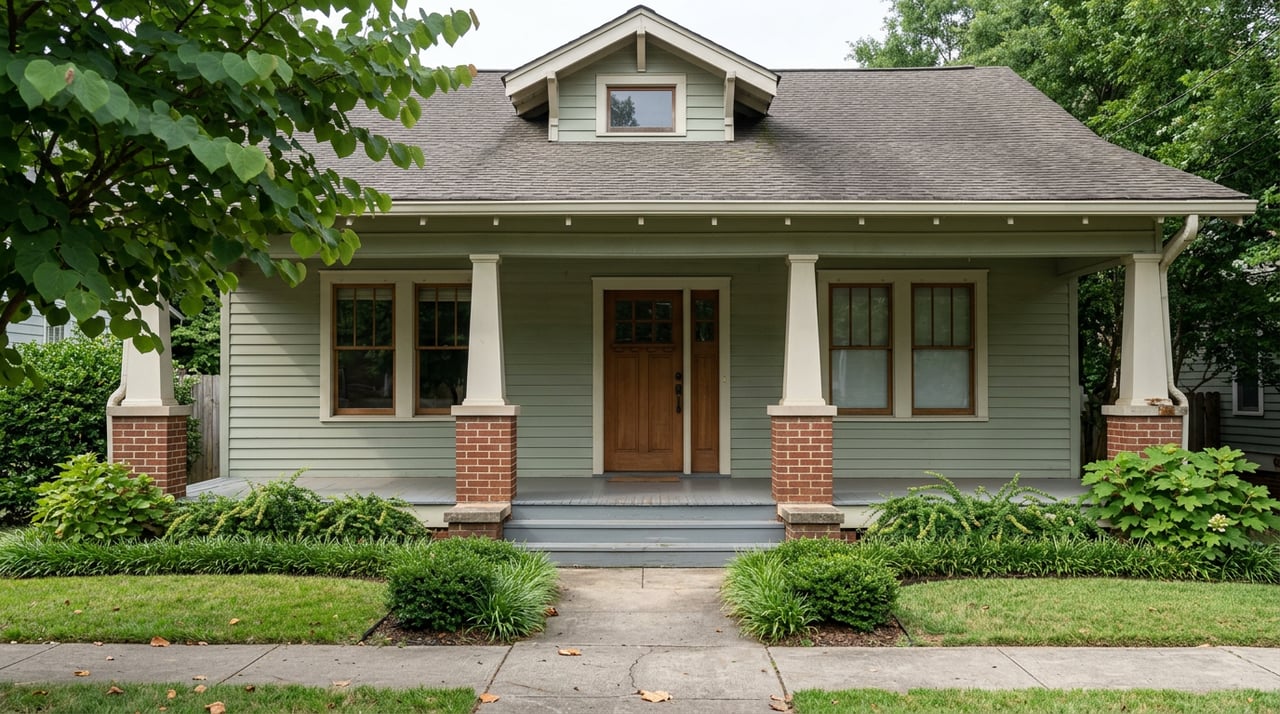
Walk two blocks in 12 South and you can pass a 1928 Craftsman bungalow listed in the high $600,000s next to a rebuilt version of the same footprint asking north of $1.8 million. Same era, same lot size, same walk to Sevier Park. The gap isn't taste or luck. It's a zoning line that most buyers never think to ask about until they're already under contract and trying to figure out why their renovation timeline just tripled.
That line is 12 South's Neighborhood Conservation Zoning Overlay, and in 2026 it's colliding with a brand-new citywide rule about backyard rental units in a way that changes what your money actually buys depending on which side of the boundary you're standing on.
The rule that splits the map
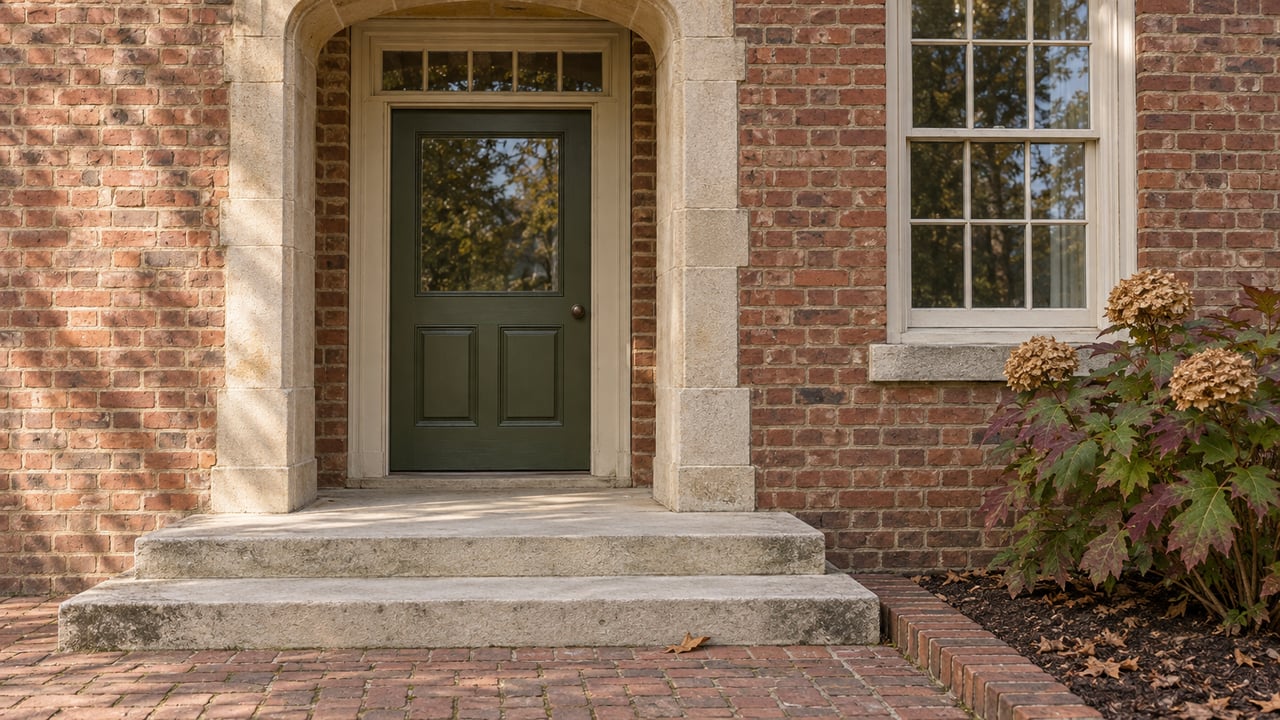
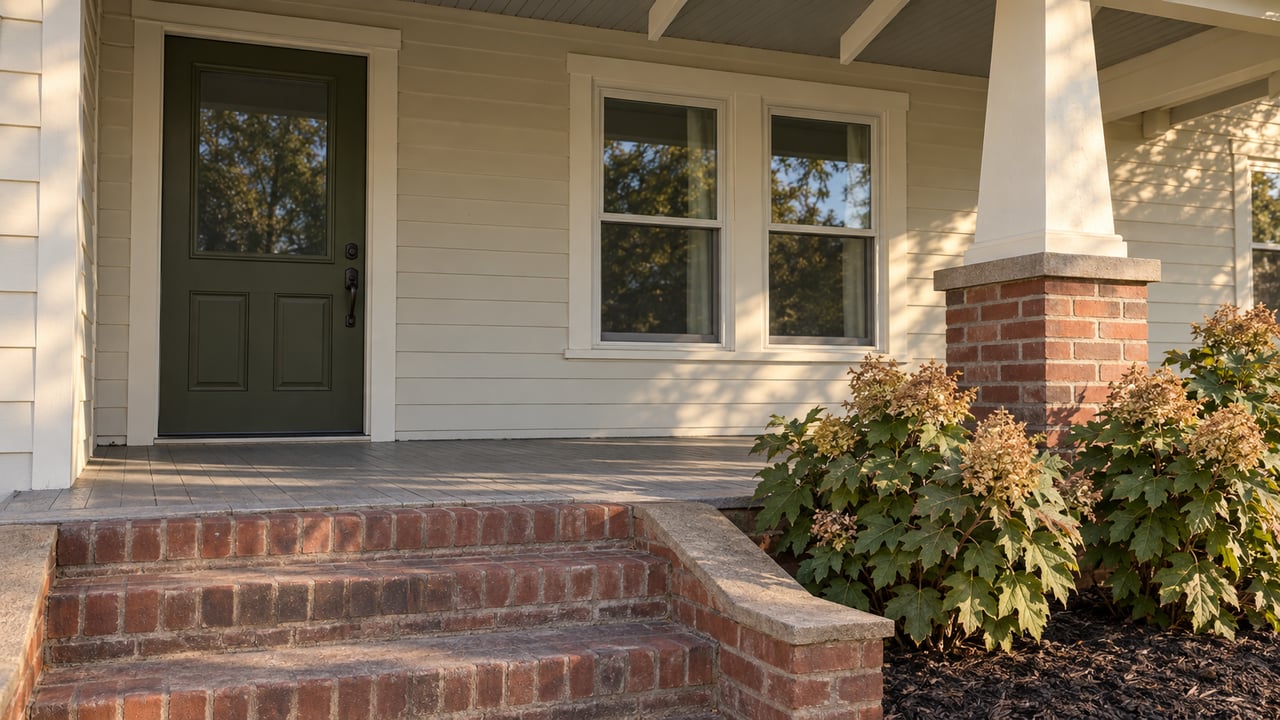
Nashville's Metro Historic Zoning Commission administers a Neighborhood Conservation Zoning Overlay that covers more than 800 homes in the residential streets around 12 South's commercial strip. Archinerd describes the overlay as capping most additions at 1.5 stories to keep new construction from towering over the Craftsman bungalows, Tudor cottages, and foursquares built between the 1920s and 1940s.
That single rule explains the price split better than any amount of talk about "hot neighborhoods." Owners can either: buy the shell and gut-renovate within the height cap, or buy something already renovated and pay the premium someone else already absorbed. The overlay doesn't just preserve character. It mechanically removes the cheapest path to a bigger house, which is exactly why the market splits into two tiers instead of spreading across a smooth curve.
As of early 2026, that split shows up clearly in the numbers. Original bungalows in decent condition were starting around $600,000 to $800,000 for smaller footprints, while substantially renovated or new-construction homes on the same streets were running $1.2 million to $2 million and up. As of July 31, 2026, there were 162 active listings across 12 South, with an average list price of $1.31 million and an average of $478 per square foot, a highest asking price of $5,399,900 and a lowest of $165,000, a spread wide enough to make clear that "12 South" isn't one market. It's two markets wearing the same zip code.
A different rulebook two blocks away
The overlay only governs the residential streets. The commercial corridor along 12th Avenue South itself plays by an entirely different set of rules, and the contrast is visible right now. In November 2024, an investor group including Mark Masinter paid $16.44 million for a 0.62-acre site on Montrose Avenue that includes the retail building housing Gabby and Summer Classics, and the group has since filed plans for a 12,480-square-foot project called 12 South Collection II. It sits beside Draper James, Reese Witherspoon's storefront, and Le Labo, which moved into the former Christie Cookie space. The project was slated to break ground in the first quarter of 2026.
The commercial corridor demolishes and rebuilds routinely. That's not a contradiction, it's the overlay working exactly as designed, protecting the housing stock while leaving the retail strip free to keep reinventing itself.
The ADU law that just carved 12 South out of its own headline
Here's the part most 12 South guides haven't caught up to yet. Late in 2025, Metro Council passed legislation, cataloged as BL2025-1007, that made detached accessory dwelling units permitted by right on most qualifying residential lots within Nashville's Urban Services District starting in 2026. Before that change, a homeowner needed their property to sit inside a specific DADU overlay district before they could even apply. The new rule dropped that requirement for most of the city.
Except for historic and conservation districts. If your lot sits inside a Neighborhood Conservation Zoning Overlay like the one covering 12 South, you still need Metro Historic Zoning Commission approval to confirm a proposed accessory unit fits the neighborhood's design guidelines before the building permit gets issued.
So the same year the city loosened the rules for backyard rental units almost everywhere, it quietly tightened the relative position of 12 South. A homeowner just outside the overlay boundary can now pursue a DADU without the extra design review. A homeowner inside it still needs the Historic Zoning Commission's sign-off. If you're weighing 12 South specifically for its rental-income or multigenerational-living potential, that's a real cost difference in time and predictability, not just paperwork.
What the permit calendar actually looks like
The Metro Historic Zoning Commission's own handbook lays out the timeline. Projects that fall into pre-approved categories can typically receive an administrative permit within about four days. Anything outside those routine categories, including most additions and new accessory structures, goes through full design review against the neighborhood's specific guidelines, which takes longer and isn't guaranteed to be approved as submitted.
One project inside the overlay illustrates the tradeoff well. A 12 South renovation and addition that added a detached accessory dwelling unit, pool terrace, and site improvements to a historic property had to work within the overlay's 1.5-story requirement for the final roughly 3,900-square-foot home. The design had to fit inside that ceiling by definition, not by preference.
What this means if you're buying here
If your priority is character and price stability, the overlay is doing exactly what you're paying for. Nearby, homeowners in Battlemont, a small neighborhood tucked between I-440 and Woodmont Boulevard, are actively pursuing their own conservation overlay for the same reason, worried about teardown pressure changing the character of their streets. That effort is a live signal that this model isn't static. More Nashville neighborhoods are moving toward it, which means the pockets that look unprotected today may not stay that way.
If your priority is adding a rental unit or a space for aging parents as part of your purchase, run the design-review timeline before you fall in love with a specific bungalow. A lot two blocks outside the overlay boundary might get you into a completed DADU faster and with fewer design constraints than the same project inside 12 South's protected core, even if the sale price looks similar on paper.
Either way, the number on the listing sheet isn't telling you which market you're in. The overlay boundary is.
Frequently asked questions
Does the overlay mean I can't renovate my 12 South home at all? No. It regulates exterior changes and additions, generally capping most additions at 1.5 stories and requiring Metro Historic Zoning Commission review for anything beyond routine, pre-approved work.
Can I still build a detached accessory dwelling unit in 12 South after the 2026 ADU law? Yes, but not automatically. Properties inside the Neighborhood Conservation Zoning Overlay still need Metro Historic Zoning Commission approval to confirm the design fits the neighborhood's guidelines, even though most of the rest of the Urban Services District no longer requires that extra step.
Is the entire 12 South area covered by the same overlay? The overlay covers the residential streets historically built out with Craftsman bungalows, Tudor cottages, and foursquares. The commercial corridor along 12th Avenue South itself is not governed by the same restrictions, which is why active retail redevelopment is happening there while the surrounding residential blocks stay largely unchanged in form.
If you're weighing a purchase in 12 South against a similar-looking street outside its boundary, that difference is worth mapping before you write an offer, not after. Your Nashville Agent works these blocks regularly and can walk you through exactly what a specific parcel's zoning allows before you fall in love with a floor plan that isn't buildable as drawn.
This article is general information, not legal, tax or financial advice. Consult a qualified professional about your situation.