Wondering what really defines estate living in Belle Meade? It is not just large homes or prestigious addresses. It is the combination of architectural tradition, lot scale, mature landscaping, and city oversight that gives this small Nashville-area community its distinct feel. If you are buying, selling, or simply trying to understand what makes Belle Meade different, this guide will help you see how architecture and estate living shape value, lifestyle, and expectations here. Let’s dive in.
Belle Meade at a Glance
Belle Meade is an incorporated city in Davidson County, about six miles southwest of downtown Nashville. City materials describe it as a community of roughly 3.1 square miles with about 1,200 homes and very little nonresidential land use.
That matters because Belle Meade feels overwhelmingly residential by design. Instead of a fast-changing mix of uses, you will find a built environment shaped around homes, lots, trees, and streetscapes that have evolved over time.
Estate Living Starts With History
Belle Meade’s estate character traces back to the Harding landholdings. According to city materials, John Harding purchased the land in 1807, and the plantation later expanded to more than 2,000 acres before most of it was sold to a development company by 1906.
That transition set the stage for the residential estate lots that define Belle Meade today. The original mansion and outbuildings were preserved as part of the historic site, which helps connect the city’s present-day identity to its earliest architectural roots.
The Historic Core Set the Tone
The Belle Meade mansion itself began as a Federal-style house in the 1820s and was later updated to Greek Revival in the 1840s. That layered history matters because it reflects a long local tradition of architecture as both statement and legacy.
In other words, Belle Meade did not become architecturally distinctive overnight. Its estate-home identity has deep roots, and that history still influences how buyers, sellers, and city leaders think about design today.
Architectural Styles Define the City
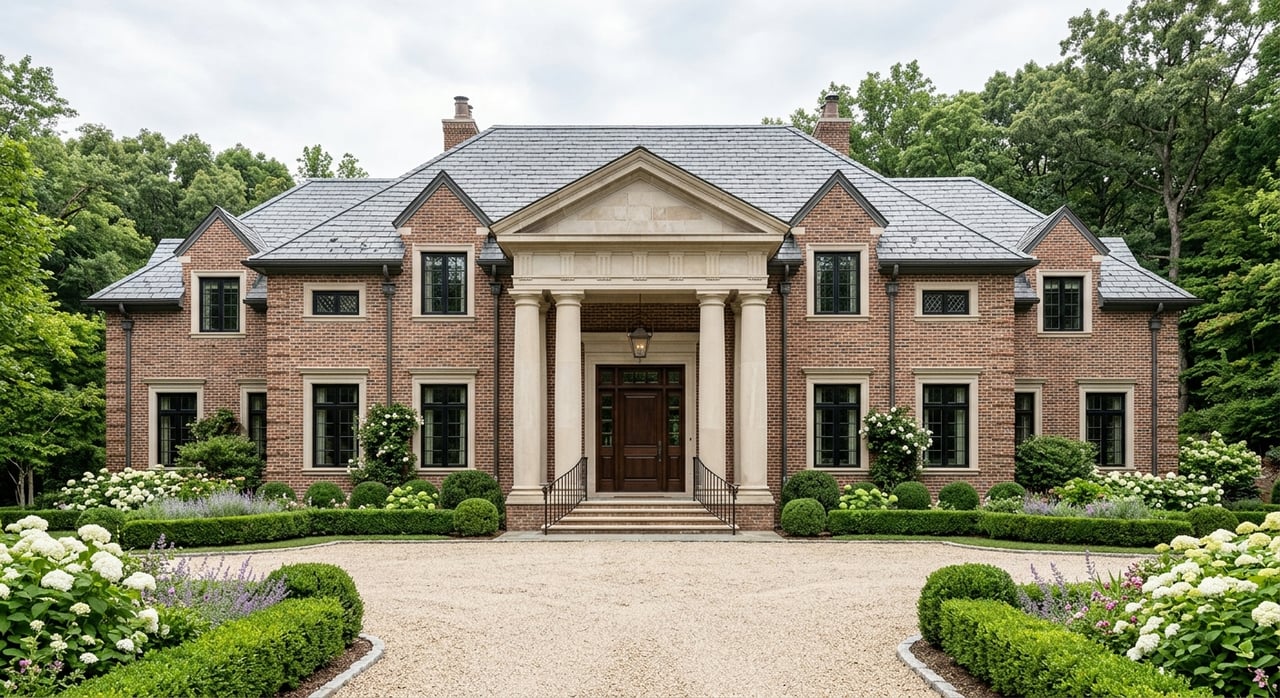
One of the clearest features of Belle Meade is its architectural vocabulary. City design guidelines note that more than 200 homes were built from 1910 to 1930, largely by prominent Nashville architects, in styles such as Neo-classical, Colonial Revival, Georgian Revival, and Tudor Revival.
Those styles still shape the visual language of the city. When you drive through Belle Meade, the sense of continuity often comes from recurring rooflines, proportions, entry details, masonry, and traditional materials rather than from identical homes.
Postwar Homes Also Matter
Belle Meade is not limited to one era. After 1945, new homes filled remaining lots and the city expanded southward, bringing more Ranch homes and additional Colonial- and Tudor-influenced houses into the mix.
That gives Belle Meade a broader architectural story than many people expect. You may see early 20th-century revival styles on one street and postwar homes on another, yet the community still feels cohesive because scale, setbacks, and material quality remain central to its character.
Why Belle Meade Feels Established
A city historic resource survey found that 743 buildings, or 62.7% of the surveyed building stock, were built in 1969 or earlier. That helps explain why Belle Meade feels mature and rooted rather than heavily driven by new construction.
For buyers, that often means you are entering a place with an established physical identity. For sellers, it means your home is part of a larger architectural context that buyers are often paying attention to.
What Estate Living Looks Like Today
In Belle Meade, estate living is about more than square footage. It often comes down to how the home sits on the lot, how it relates to the street, and how landscaping and setbacks create privacy and presence.
City materials describe Belle Meade as park-like and tree-filled. That setting plays a major role in how the community lives and feels, especially compared with areas built around tighter lots or more uniform subdivision patterns.
Privacy Comes From the Setting
In Belle Meade, privacy is often created by space, mature vegetation, and thoughtful site design. It is less about gates or highly repetitive planning and more about how homes, driveways, trees, and open yard areas work together.
That distinction matters if you are relocating from another luxury market. Belle Meade’s appeal is tied to its landscape as much as its architecture, and that combination is a major part of its estate identity.
New Construction Must Fit the Context
Belle Meade is not frozen in time, but change is carefully managed. The city’s design guidelines state that new homes should reflect traditional styles such as Colonial Revival, Georgian Revival, and Tudor Revival, while well-designed early- to mid-20th-century or contemporary work can also be appropriate when massing, scale, proportions, and materials are compatible.
That means modern design is not automatically off the table. The key question is whether the new work respects the surrounding streetscape and the city’s long-established architectural character.
Materials and Lot Design Matter
The same guidelines emphasize that new work should respect existing topography, trees, and vegetation. They also favor durable, traditional materials such as brick, stone, masonry, and wood.
For buyers, this can affect renovation plans and maintenance expectations. For sellers, these details can shape how your home is perceived in the market, especially when buyers are comparing finish quality and architectural fit.
Preservation Shapes Resale Value
Belle Meade’s conservation framework is not just about appearance. The city states that the Conservation Overlay and Historic Zoning Commission are intended to protect architectural character, regulate exterior design and materials for compatibility, and stabilize property values.
That is important in practical terms. In Belle Meade, resale value is often tied not only to the home itself, but also to how well it fits the block, the lot, and the broader character of the city.
Why Buyers Should Pay Attention
If you are considering a purchase, it helps to understand that many exterior changes can trigger review. City guidance says a Certificate of Appropriateness may apply to new construction, exterior alterations, additions, and demolition on protected properties.
This is especially relevant if you hope to expand or redesign a home after closing. The city’s guidelines note that additions are traditionally placed on rear elevations, while front porch, stoop, or entry enclosures are generally discouraged.
Why Sellers Benefit From Context
If you are selling in Belle Meade, the preservation framework can also work in your favor. Buyers are often drawn to the city precisely because its character is actively protected rather than left to chance.
That means thoughtful updates, strong maintenance, and architectural consistency can carry real weight. A well-prepared listing should highlight not just features inside the home, but also how the property fits Belle Meade’s estate-scale expectations.
Zoning Signals Intentional Growth
Belle Meade continues to manage change carefully. In 2024, the city updated its zoning code for the first time since 1997, and city communications say the revision included a new residential zoning district to address unique development challenges related to lot size and character in part of the city.
That tells you something important about the local market. Belle Meade is not taking a passive approach to growth, and zoning remains part of how the city protects its long-term built identity.
What Buyers and Sellers Should Keep in Mind
Because there are few vacant lots available for new construction, existing homes and lot compatibility matter in a big way. Buyers should look beyond finishes and floor plans to consider scale, siting, and how future plans may fit within city guidelines.
Sellers should recognize that buyers in Belle Meade are often purchasing into a larger experience. Architecture, landscaping, and neighborhood continuity are part of the value story, and presenting a home well means understanding that broader context.
Why Local Guidance Matters
In a place like Belle Meade, details matter. The age of the housing stock, the preservation overlay, the architectural expectations, and the city’s review process all shape how people buy, sell, and improve homes here.
That is why local expertise can make a real difference. Whether you are preparing a significant estate for market or evaluating a home with renovation potential, you need guidance that goes beyond basic square footage and sales data.
If you are planning a move in Belle Meade and want a polished, informed strategy, Your Nashville Agent can help you navigate the market with clarity and confidence.
FAQs
What architectural styles are most common in Belle Meade?
- Belle Meade is especially associated with Federal and Greek Revival at its historic core, along with Neo-classical, Colonial Revival, Georgian Revival, Tudor Revival, and postwar Ranch homes across the city.
Can you build a modern home in Belle Meade?
- Yes, but city guidelines say new construction should remain compatible in massing, scale, proportions, and materials with the surrounding character.
Do home additions in Belle Meade face design review?
- Many exterior changes may require a Certificate of Appropriateness, and the city’s guidelines generally prefer additions on rear elevations.
Why does Belle Meade feel different from nearby luxury areas?
- Belle Meade is a small incorporated city with very little nonresidential land use, strong zoning oversight, and a preservation framework that helps maintain its estate character.
What should buyers consider when looking at Belle Meade homes?
- Buyers should consider architectural style, lot scale, landscaping, potential review requirements for future changes, and how the home fits the city’s established character.