By Your Nashville Agent
A historic Nashville home gives you something new construction can't copy: deep front porches, original woodwork, and a sense of place that took a century to build. It can also come with a narrow galley kitchen, a single bathroom, and wiring that was never meant for a home office. We want to help you bring your home up to date without losing the character that drew you to it. This guide walks through the rules, priorities, and smart sequencing that make a historic renovation go smoothly.
Key Takeaways
- Know which overlay or commission governs your address before you design anything.
- Interior updates often offer the most freedom in historic neighborhoods.
- Behind-the-wall systems deserve budget before finishes do.
- Original details add value when they're kept and restored.
Know Which Rules Apply Before You Sketch Anything
Historic homes in Nashville's core neighborhoods fall under different rules depending on which side of a city line they sit. Two homes built in the same decade can face very different review processes for the same project.
Starting with the right rulebook saves time, money, and redesign fees. A quick parcel check with the right office should come before your first meeting with an architect.
Where Review Applies in Our Core Neighborhoods
- Belmont-Hillsboro: This conservation overlay, adopted in 2005 and expanded in 2007 and 2012, has Metro's Historic Zoning Commission review additions, new construction, and demolition.
- Belle Meade: The city's own Historic Zoning Commission reviews exterior design, arrangement, texture, and materials, and issues Certificates of Appropriateness.
- Franklin: Seven local historic districts, including Hincheyville and Lewisburg Avenue, require approval for exterior changes like windows, roofing, fences, and solar equipment.
- 12South and Green Hills: Overlay status varies by parcel, so check Metro's Parcel Viewer for your specific address.
Put the Biggest Changes Where the Street Can't See Them
In the Belmont-Hillsboro overlay, interior projects aren't reviewed, and exterior work is reviewed only when it's visible from the street. That makes the inside of the home and the rear of the lot the natural place for bold updates.
Many of Belmont's bungalows and Foursquares have compact original kitchens and small bathrooms. Reworking those spaces can transform how the home lives while the front porch stays exactly as it was.
Interior Updates That Make the Biggest Difference
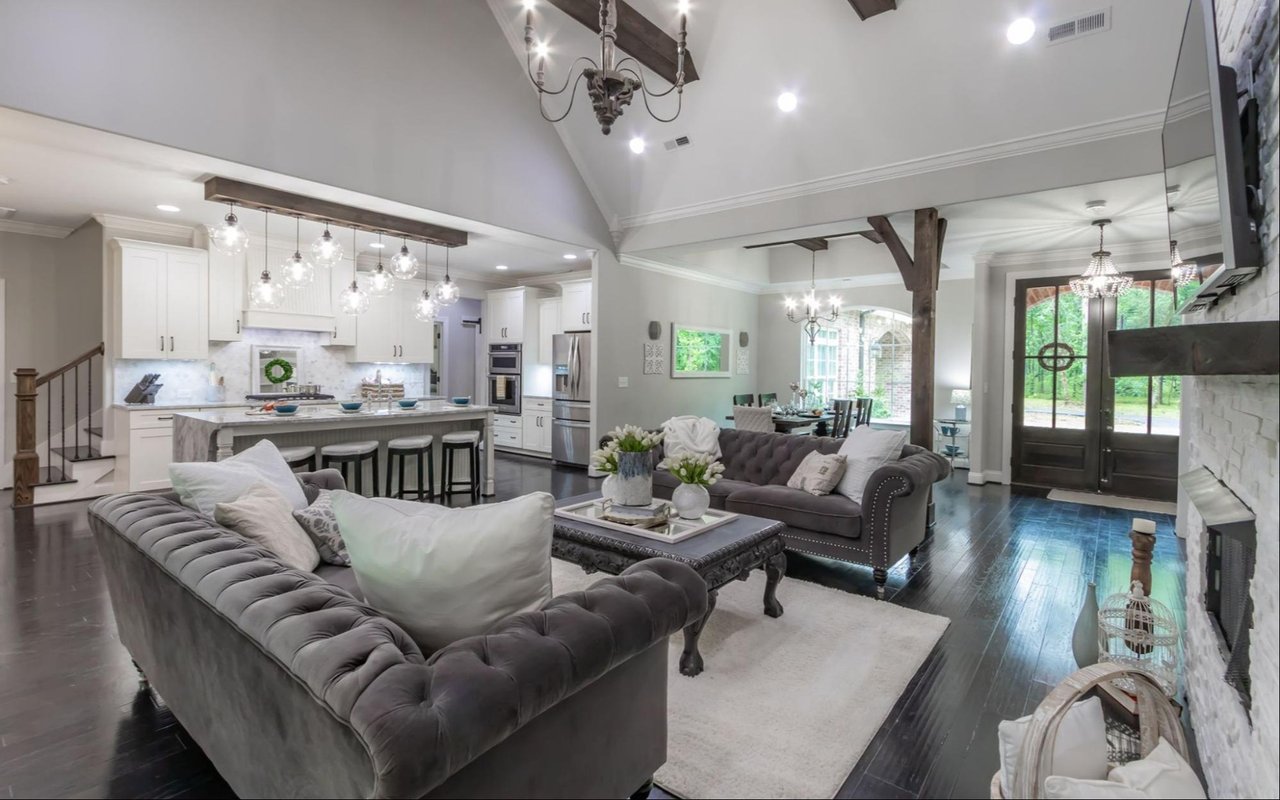
- Kitchen layout: Opening a closed kitchen to the dining room creates a modern gathering space inside a historic shell.
- Added bathrooms: Converting an underused bedroom or rear porch into a full bath adds daily comfort.
- Rear additions: Placing new square footage behind the original home keeps the streetscape intact, though additions in an overlay still need review.
- Smart storage: Built-in cabinetry in older closets and stair landings adds function without changing the footprint.
Upgrade the Systems Behind the Walls First
It's tempting to spend the budget on finishes you can see. The work that matters most in a home built in the 1920s or 1930s is often hidden behind plaster and under floorboards.
Tackling systems first also keeps you from tearing into new finishes later. Once walls are open for a kitchen or bath, it's the right moment to address what's inside them.
Systems Worth Updating in Older Nashville Homes
- Electrical: Replacing outdated wiring and adding panel capacity supports today's appliances, lighting, and EV chargers.
- Plumbing: Swapping aging supply and drain lines prevents leaks that can damage original floors and ceilings.
- HVAC: Ductless mini-splits or high-velocity systems can cool Nashville summers without bulky ductwork through historic rooms.
- Insulation: Adding insulation in attics and crawl spaces improves comfort while leaving original walls in place.
Keep the Details That Make the House Worth Owning
The features that define a historic home are often the hardest to replace once they're gone. In Belmont, that might be a wide Craftsman porch and picture windows, while in Franklin's Adams Street district, it could be Folk Victorian trim with Queen Anne detailing.
Restoring these elements adds a kind of character that new materials can't match. They're also what future buyers will remember after a showing.
Original Features Worth Restoring
- Wood windows: Repairing original sashes and adding storm windows keeps the look while improving efficiency.
- Hardwood floors: Refinishing original floors usually beats replacing them with new material.
- Trim and millwork: Matching profiles in new rooms helps additions feel original to the home.
- Porches and entries: Rebuilding with matching columns and railings preserves the home's first impression from the street.
Plan the Project in the Right Order
A historic renovation runs smoothest when each step follows the last. Designing before you know a home's condition can lead to costly changes once work begins.
In Belle Meade, applications for review go through the city's online permitting portal, and Franklin's Historic Zoning Commission must review exterior changes before work begins. Building those approval steps into your timeline keeps contractors on schedule.
A Practical Sequence for Historic Updates
- Inspect thoroughly: Start with a full inspection that covers structure, roof, foundation, and major systems.
- Confirm the rules: Check overlay status and talk with the right preservation office early.
- Design with intent: Work with an architect or designer who has handled historic projects in your area.
- Permit and build: Secure every approval and building permit before demolition begins.
FAQs
Do I need approval to replace the windows in my Belmont home?
In a conservation overlay like Belmont-Hillsboro, window replacement is generally not reviewed, but it is reviewed in Franklin's historic districts. It's worth confirming with Metro's Historic Zoning Commission before ordering anything.
Can I add a second story to a historic bungalow in 12South?
It depends on your parcel's zoning and whether it falls within an overlay. We can help you look into the property's status before you invest in plans.
How do I find an inspector who understands older homes?
You don't have to find or schedule one yourself. When you work with us, we connect you with our trusted network of home inspectors and handle the scheduling as part of our concierge-level service.
Contact Your Nashville Agent Today
At Your Nashville Agent, we live in Green Hills and focus on the neighborhoods where Nashville's history shows up in every block, from Belmont and 12South to Belle Meade and Franklin. We'd love to help you find a historic home with the right bones for the updates you have in mind.
Whether you're buying a home to restore or preparing to sell one you've already updated, we're here to guide every step. Reach out to us at Your Nashville Agent to talk through your plans with a team that knows these streets.